Entry · Ref IN5Q_AKT
How Periodontal Treatment Protects Against Future Tooth Loss
- Posted
- 2026-10-30
- Last amended
- 2026-10-30
- Account
- @edwinqtyq978
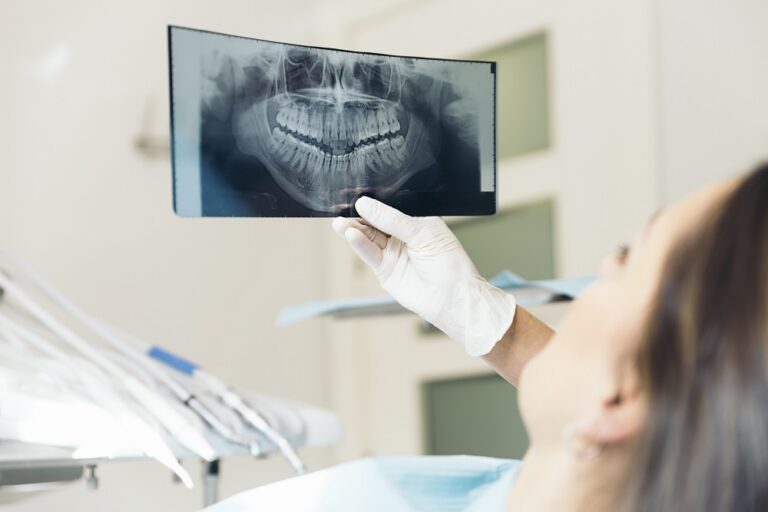

Tooth loss rarely happens without warning. In practice, it is usually the end point of a process that has been active for years, sometimes quietly, sometimes with obvious signs that were easy to ignore. Bleeding when brushing. A bad taste that keeps returning. Gums that look puffy or pull away from the teeth. Teeth that start to feel different when chewing, even if they do not hurt. Periodontal disease often advances this way, and when it does, the real danger is not just infection in the gums. The deeper problem is the gradual destruction of the structures that hold teeth in place.
That is why Periodontal Treatment matters so much. It is not cosmetic maintenance. It is not simply a more thorough cleaning. Done at the right time and with the right follow-through, it can interrupt the disease process, preserve bone and attachment, reduce inflammation, and dramatically improve the odds that natural teeth remain functional for many years.
Many patients assume cavities are the main reason adults lose teeth. Cavities certainly matter, but severe gum disease is one of the leading reasons teeth loosen and eventually need to be removed. What makes periodontal disease especially frustrating is that it can progress with surprisingly little pain. By the time a tooth feels mobile, the supporting tissues may already be significantly compromised. Treatment is designed to stop that slide before it reaches the point where the tooth becomes difficult or impossible to save.
What is actually being protected
A tooth is not held in the jaw like a nail in wood. It is supported by a living attachment system. The gums seal around the tooth. Beneath that, specialized ligament fibers connect the root surface to the surrounding bone. The bone itself forms the socket that stabilizes the tooth under pressure from chewing.
Periodontal disease disrupts this entire support system. Bacterial plaque accumulates at and below the gumline. The body responds with inflammation. Over time, that inflammatory response, especially when persistent, begins to damage connective tissue and bone. As the disease progresses, periodontal pockets deepen. More bacteria collect in places a toothbrush cannot reach. Bone levels fall. Attachment is lost. The tooth may still look intact above the gums, but its foundation is weakening.
Periodontal Treatment aims to preserve or restore as much of that foundation as possible. The core goal is not just cleaner teeth. It is disease control at the level where tooth retention is decided.
Why early treatment changes the long-term picture
The timing of treatment often determines how much support can be saved. Mild gum inflammation, commonly called gingivitis, is still reversible. Once true periodontitis develops and bone loss begins, the damage cannot simply be brushed away. Treatment can stop progression, and in some cases improve attachment conditions, but it cannot magically rebuild years of lost support without more advanced procedures, and even then results have limits.
A common pattern in adult patients goes like this: they notice occasional bleeding for years, then one day discover a front tooth drifting or a back tooth trapping food. At that point the issue is no longer surface irritation. The architecture around the teeth has changed. Early Periodontal Treatment could often have prevented that progression.
This is one of the clearest differences between gum disease and many other dental problems. With a cavity, a patient may feel a specific tooth start to bother them. With periodontal disease, the warning signs can seem minor and spread across the mouth. That diffuse pattern makes delay more likely, and delay costs bone.
How periodontal disease leads to tooth loss
Teeth are usually lost from periodontal disease in one of three ways. Sometimes the loss is mechanical. Enough bone and attachment disappear that the tooth simply becomes too loose to function comfortably. Sometimes the problem is strategic. A tooth may not be extremely mobile, but the surrounding pocketing and bone pattern make it a chronic trap for infection, food, and inflammation. In other cases, gum disease combines with other damage, such as a crack, heavy bite stress, or extensive decay, turning a difficult tooth into an unsalvageable one.
This overlap is common in real practice. A molar with moderate bone loss may remain stable for years if the patient keeps excellent hygiene and the bite is well managed. The same tooth, if it also has a deep cavity below the gumline or significant grinding forces, becomes much riskier. Periodontal Treatment reduces one major source of risk, which can be enough to preserve a tooth that would otherwise be lost to a combination of problems.
What Periodontal Treatment usually involves
The exact treatment plan depends on disease severity, pocket depth, bone loss pattern, medical history, smoking status, home care, and whether certain teeth are restorable. That is why two people with “gum disease” may receive very different recommendations. One may need non-surgical therapy and maintenance. Another may need surgery in selected areas. Another may need removal of a few hopeless teeth while the rest of the mouth is stabilized.
At its most basic, treatment usually includes the following:
- Detailed periodontal evaluation, including pocket measurements, bleeding points, gum recession, mobility, and X-rays.
- Removal of plaque, calculus, and bacterial deposits above and below the gumline, often through scaling and root planing.
- Reassessment after healing to see which sites improved and which still show deep pockets or persistent inflammation.
- Surgical treatment in selected cases to reduce pockets, reshape defects, or regenerate support where appropriate.
- Long-term periodontal maintenance at intervals based on risk, often more frequently than standard cleanings.
Those steps look straightforward on paper, but their success depends on careful execution and patient participation. The cleaning portion of treatment matters, yet long-term control is what protects teeth. Without maintenance, disease can recur quietly.
The role of scaling and root planing
When patients hear “deep cleaning,” they often picture an ordinary cleaning done more aggressively. That is not really what happens. Scaling and root planing is a targeted periodontal procedure intended to remove calculus, plaque biofilm, and bacterial toxins from root surfaces below the gumline. In areas where pockets have formed, routine brushing simply cannot reach the diseased root surface. If those deposits remain undisturbed, inflammation persists and support continues to break down.
After effective non-surgical treatment, gums often tighten around the teeth, swelling decreases, and pocket depths may reduce. Bleeding usually improves. Patients sometimes notice less tenderness when flossing and less morning taste or odor. Those changes are not trivial. They are signs that the tissue environment has become less destructive.
That said, root planing is not a one-time reset that makes the mouth disease-proof. Some sites respond beautifully. Others, especially deep defects around molars or areas with difficult root anatomy, may continue to harbor disease. This is why reassessment matters. It separates sites that are stable from sites that need more intervention.
Why maintenance appointments are not optional
One of the most important conversations in periodontal care happens after the initial treatment is finished. Patients often assume they are done. Clinically, that is when the preservation phase begins.
Periodontal maintenance is different from a standard preventive cleaning. The clinician is monitoring for recurrence, not just polishing away stain. Pocket depths are reviewed over time. Bleeding patterns are compared. Areas of recession, furcation involvement, mobility, and plaque retention are tracked. Deposits below the gumline are removed before inflammation becomes destructive again.
In many cases, three- to four-month intervals are recommended instead of the twice-yearly schedule people are used to hearing. That recommendation is not arbitrary. Harmful bacteria can repopulate periodontal pockets over time, and patients with a history of periodontitis remain more vulnerable than those who never had it. A shorter recall interval catches deterioration earlier.
I have seen patients keep teeth for a decade or more beyond what seemed likely at the first examination simply because they took maintenance seriously. I have also seen initial treatment produce decent short-term improvement, only for the disease to flare again when recall visits were skipped for a year or two. The difference is often not dramatic day to day. It shows up in X-rays, attachment levels, and the number of teeth still standing years later.
Saving bone means saving options
When bone loss advances, the consequences extend beyond the tooth at risk. Bone is what supports future restorative options as well. A patient who loses a molar after years of untreated periodontal disease may also lose enough surrounding bone to complicate implant placement. The treatment discussion then becomes larger, more expensive, and less predictable.
Protecting periodontal health early preserves flexibility. A stable tooth can often support a filling or crown if needed later. A stable ridge around a lost tooth can make replacement simpler. A mouth with controlled inflammation generally responds better to restorative care overall. When periodontal disease remains active, almost every other dental decision becomes harder.
This matters particularly in adults in their forties, fifties, and sixties, when existing restorations begin to age and bite forces have accumulated over time. At that stage, gum support often determines whether a tooth can be maintained or whether replacement planning becomes necessary.
Not every loose tooth is hopeless
Mobility frightens patients, and understandably so. A tooth that feels loose can make chewing feel uncertain and can create the sense that loss is imminent. But mobility has causes, and not all of them mean the tooth must be extracted.
Inflammation in the ligament space can temporarily increase movement. Heavy bite contact can make an already compromised tooth feel worse. In some cases, once infection is controlled and biting forces are adjusted, a tooth becomes noticeably firmer. It may never feel exactly like a perfectly healthy tooth, but it can function comfortably for years.
Judgment matters here. Some teeth are genuinely hopeless because too much support has been lost, the remaining root anatomy is unfavorable, or the tooth also has fractures or non-restorable decay. Others are questionable but worth treating, especially if the patient is motivated and the tooth plays an important functional role. Periodontal Treatment creates the conditions for that judgment to be made accurately rather than prematurely.
The patient’s role is larger than most expect
No periodontal therapy works well without consistent home care. That is not a scolding point, just a biological one. The bacteria involved in gum disease repopulate continuously. Professional treatment lowers the bacterial burden and changes the environment, but daily disruption of plaque at home is what helps maintain those gains.
The most effective home routines are usually simple and repeatable rather than elaborate. Patients do best when they understand where the problem areas are and how to clean them, whether that means better brushing angle at the gumline, flossing with more control, using interdental brushes where spaces permit, or irrigating around bridgework and implants. Precision matters more than force. Scrubbing harder does not fix inflammation if the plaque is being missed.
A useful home care focus often includes:
- Brushing thoroughly at the gumline twice a day with a soft-bristled brush.
- Cleaning between teeth daily with floss or interdental aids suited to the size of the spaces.
- Following recommendations for antimicrobial rinses only when they fit the clinical situation.
- Avoiding tobacco, which strongly worsens periodontal breakdown and healing.
- Keeping maintenance visits even when the mouth feels fine.
That last point deserves emphasis. Periodontal disease can become active again before symptoms become obvious. Patients who wait for pain are often waiting too long.
Smoking, diabetes, and other factors that change outcomes
Periodontal disease does not behave the same way in every patient. Two people can have similar plaque levels and very different rates of tissue breakdown. Some of that variation comes from health history and habits.
Smoking is one of the clearest risk factors for severe periodontitis and poorer healing. Smokers may even show less gum bleeding, which can create a false sense that things are stable while destruction continues underneath. Diabetes also matters, especially when blood sugar control is poor. There is a two-way relationship here. Periodontal inflammation can complicate metabolic control, and uncontrolled diabetes can worsen periodontal response and healing.
Stress, dry mouth, genetics, certain medications, and immune conditions can all influence disease activity to some degree. None of that makes treatment pointless. It means treatment plans must be realistic. A healthy nonsmoker with localized moderate disease may stabilize quickly. A smoker with generalized deep pockets and inconsistent home care may require more frequent maintenance and may still have guarded sites. The goal is not to promise perfect tissue. The goal is to keep teeth functional and disease controlled as predictably as possible.
When surgery becomes the right next step
Some patients hear the word surgery and assume initial treatment has failed. Often that is not the case. Surgical periodontal therapy is sometimes the best way to access deep areas, reduce pockets that remain too difficult to clean, or address defects with regenerative potential.
Flap procedures can allow more complete removal of deposits and improve access for future maintenance. Regenerative techniques may be used in selected defects to encourage regrowth of bone or attachment support. Grafting can also help with recession in certain situations, particularly when root exposure causes sensitivity or creates plaque-retentive anatomy.
Surgery is not appropriate everywhere, and it does not replace maintenance. It is a strategic tool. In the right case, it can significantly improve the odds that a vulnerable tooth remains serviceable. In the wrong case, especially where home care is poor or smoking is heavy, the benefit may be limited. This is where experienced periodontal judgment matters most, because the answer is rarely https://simongnpz039.juniperbrief.com/posts/why-delaying-periodontal-treatment-can-be-a-costly-mistake one-size-fits-all.
The difference between controlling disease and curing it
Patients often ask whether gum disease can be cured. The most accurate answer is that it can be controlled very effectively, but susceptibility remains. A patient who has had periodontitis is not the same risk profile as someone who never developed it. That is why the language around stability matters. Stable periodontal health means the tissues are calm, support loss is not progressing, and the mouth is being monitored intelligently.
That may sound less satisfying than the word cure, but in real life it is powerful. A stable periodontitis patient can keep natural teeth for many years, chew comfortably, maintain appearance, and avoid far more extensive treatment. The benefit is cumulative. Every year of preserved bone and attachment protects the next year.
What patients often notice after successful treatment
The changes after effective Periodontal Treatment are often subtle but meaningful. Gums bleed less or not at all during normal cleaning. Swelling drops. The mouth feels cleaner for longer. Food traps may lessen. Breath often improves. Teeth may feel less tender to pressure. In some cases, patients notice spaces look slightly larger near the gumline because inflamed tissue has tightened and shrunk to a healthier contour. That can be surprising, but it usually reflects healing rather than damage caused by treatment.
The more important changes are the ones measured clinically. Shallower pockets. Less bleeding on probing. Stable bone levels on follow-up films. Reduced mobility in selected teeth. These are the markers that tell the story of future tooth retention.
Why preserving natural teeth is worth the effort
Modern dentistry has excellent replacement options, but replacement is still replacement. Implants, bridges, and removable prosthetics each have strengths, costs, maintenance demands, and limitations. A healthy natural tooth, when maintainable, is usually the simplest structure to live with day to day. It carries natural sensation through the periodontal ligament, helps preserve chewing patterns, and avoids the complexity of replacement planning.
Periodontal Treatment is one of the clearest examples of dentistry preventing a larger problem rather than reacting after the fact. It buys time, but more than that, it protects structure that cannot be casually recreated. Bone, attachment, and tooth position all become harder to manage once disease has advanced.
For patients deciding whether periodontal care is worth it, the best frame is not the cleaning appointment itself. It is the long-term question: what will this mouth look like in five, ten, or fifteen years if the disease is treated now versus ignored? In many cases, that is the difference between a stable set of natural teeth and a series of extractions, replacements, and compromises.
When Periodontal Treatment succeeds, it does something deceptively simple. It keeps the support system of the teeth alive and functioning. That is what protects against future tooth loss, and that is why timely treatment matters so much.
Avra Dental
Address: 1708 S Victoria Ave B, Ventura, CA 93003
Phone number: (805) 941-1001
FAQ About Periodontal Treatment
Can a dentist get rid of periodontal disease?
A dentist or gum specialist (periodontist) cannot fully cure or reverse advanced periodontal disease (periodontitis), but they can successfully stop its progression and manage the infection.
Is periodontitis very serious?
Yes, periodontitis is a very serious, advanced form of gum disease that destroys the bone and tissues supporting your teeth.
How is stage 2 periodontal disease treated?
Stage 2 periodontal disease (early to moderate periodontitis) is primarily treated with non-surgical deep cleaning procedures like scaling and root planing to remove bacteria and tartar below the gumline.